The community pack index for woolroom — the self-hostable shared ambient pet.
A pack adds a species to a woolroom — figure, coats, temperament, voice, habits — as data, never code. Packs live in their authors' own repositories. This repo is just the list.
| Pack | Figure | Species | Author | One-liner |
|---|---|---|---|---|
| pebble | 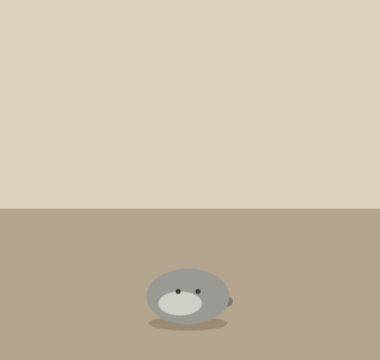 |
rock | woolroom | the shipped example — deliberately minimal |
- Build it:
scripts/pack_new.py <species-id>scaffolds from the example, then follow docs/packs.md. - Check it:
scripts/pack_lint.py <your-pack> --strictmust pass, and attach apack_renderboard (or a screenshot of it) so reviewers can see the figure. - Open a PR here adding one line to the table above: pack name (linking to
your repo — a plain repo URL, or a
/tree/<branch>/<dir>link if the pack lives in a subdirectory), a small figure thumbnail (a crop of yourpack_renderboard, hosted in your own repo), species, your handle, one honest line.
CI re-runs step 2 on the linked repo automatically, so the PR check IS the
review of well-formedness. Review is of the link line, not your taste — the
loader gates and the rig decide what's safe, and pack lint decides what's
well-formed. Keep it quiet, keep it kind: the room is somebody's home. Packs
that are gamified meters, harassment, or adware will have their links removed.
Your pack is yours: your repo, your license (state it in your pack.yaml).
Point your woolroom at the pack directory (clone the author's repo, then set
PACK_PATHS to the local path) and restart. The loader validates and sanitizes
every pack at boot — a pack that fails a gate keeps the server down with a named
error, never a half-loaded pet.